


It goes without saying that a proper sleep schedule is crucial in your child’s development, especially throughout their earlier years.
The American Academy of Sleep Medicine suggests that on average, newborns should be getting anywhere from 16-17 hours of sleep each day (try to contain your jealousy, parents). And as for toddlers, they should aim for a minimum of 13 hours to ensure they’re getting the night of rest they deserve. Not adhering to the recommended hours of sleep can critically impair your child’s development, specifically their cognitive and motor functions, both of which require acute attention in the first few years of his or her life.
However, just as important as the number of hours your child sleeps each night, is the routine you set to get them to go to bed in the first place. We recognize that each child is unique. A routine that works for one child might have little effect on helping the other.
That’s why we here at VAVA aim to support our readers in the best way that we can by offering suggestions that may work for you and your family. Something that your toddler responds well to may require an adjustment to suit the needs of your other child, so we do encourage you to use our suggestions simply as a guideline as you work to develop a routine that works best for you and your family.
A Routine That Your Child Can Digest

It’s been widely suggested that a child’s sleep schedule is directly connected to their feeding patterns. That’s why by implementing a consistent feeding schedule, your child’s natural sleep behaviors may begin to follow suit. This is highly beneficial for baby as it gets them to adjust to a routine that encourages a proper night’s rest, resulting in healthy physical and mental development. While the first few days may require an adjustment, planning out a consistent feeding schedule that sticks to the same time each day can help get both you and baby on a routine that works.
Peace of Mind, Peaceful Sleep

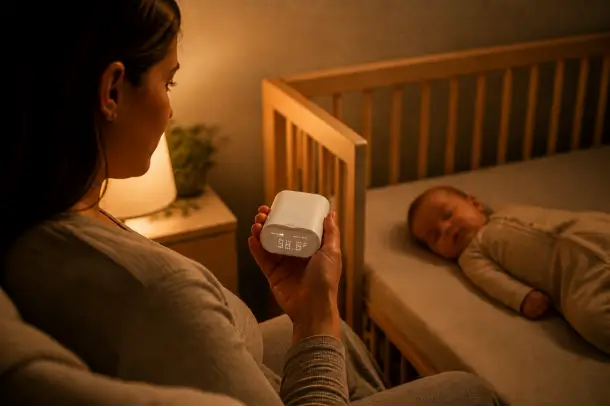
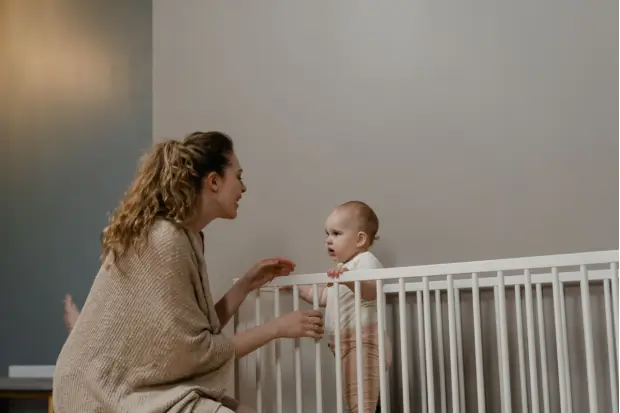
Creating a safe space where your child feels protected can do wonders in helping to instill regular sleep habits. Since it isn’t uncommon for children to suffer from separation anxiety, many parents rely on VAVA’s 2-way talk system to offer their child a sense of security when hearing mom or dad’s voice. Depending on their age, it can also help to accompany your little one with a security object, such as a plush toy or blanket, which has proven highly effective in combatting separation-induced stress.
Help Baby Get Their Shut Eye by Shutting Off the Electronics
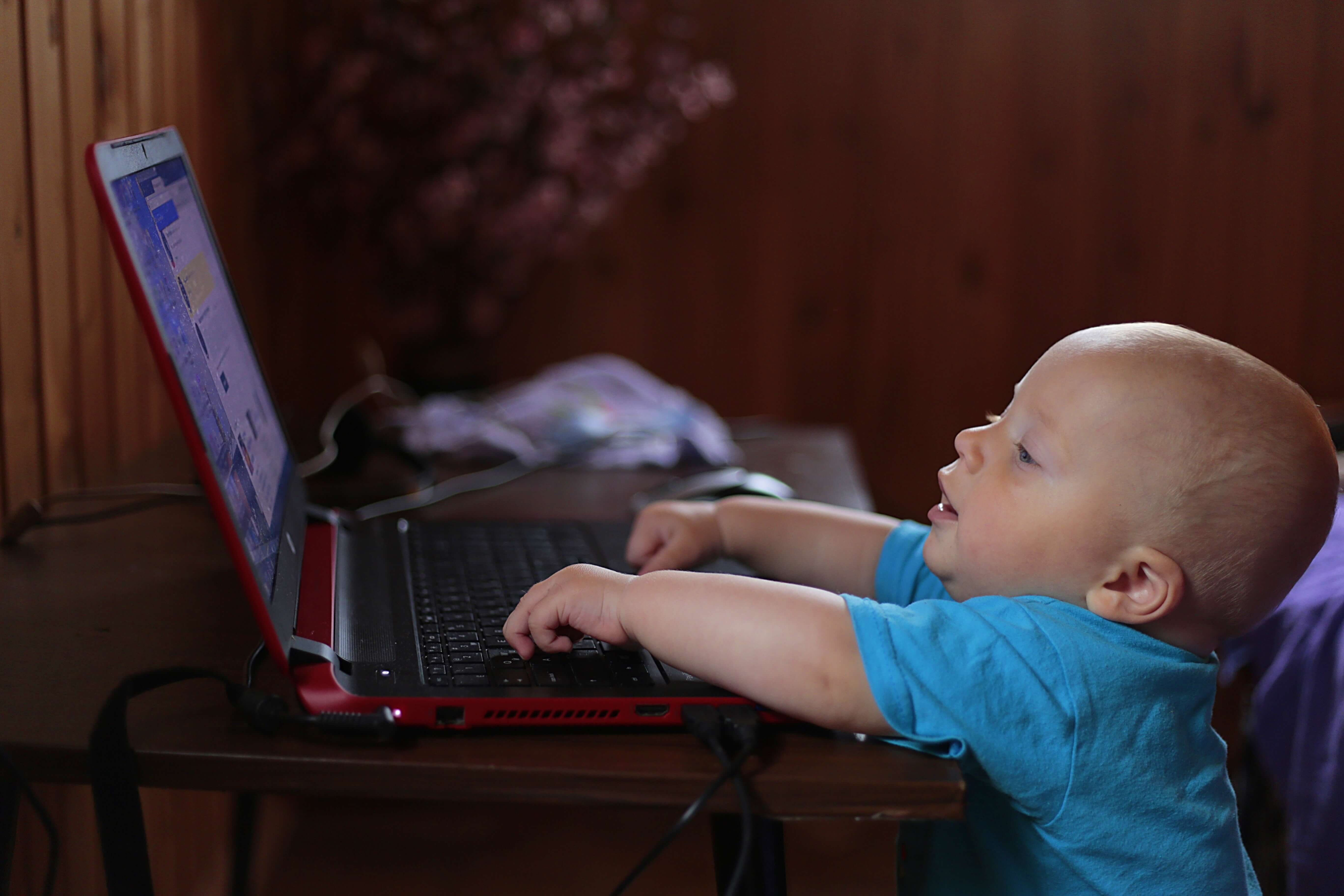
Preparing your child for bedtime is an important part of the routine as it incorporates structure that they’ll begin to subconsciously adjust to. To encourage their mind and body to transition into sleep mode, its recommended that you avoid using electronics anywhere from 60-90 minutes prior to going to sleep. Similar to its effect on adults, dimming the lights can also help to naturally prepare your little one’s body to rest.
Once your child begins to enter that groggy state is when you should begin putting them to bed. Allowing them to sooth themselves to sleep will instill in them the ability to rely on themselves to fall asleep rather than form a dependence on you.
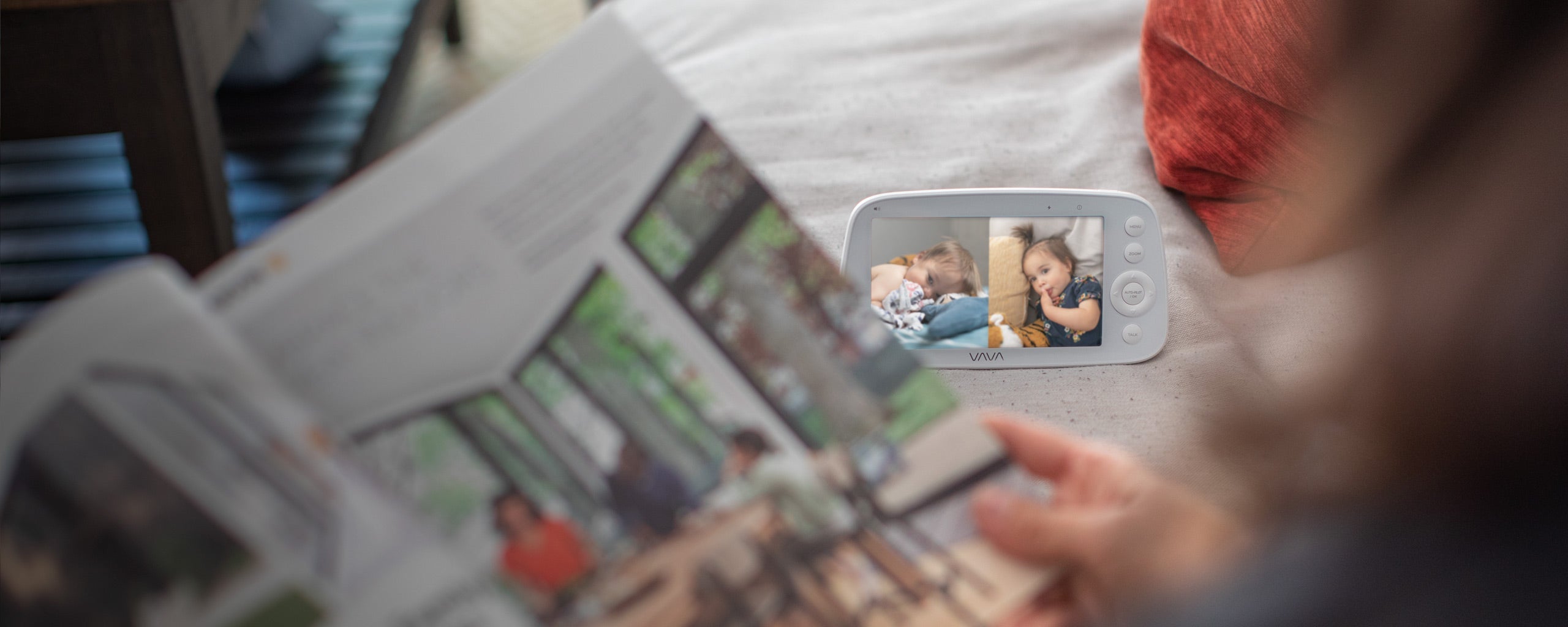
In fact, studies indicate that babies who are put to bed when they’re still partially awake, may have an easier time soothing themselves back to sleep. Since little ones wake up anywhere from four to six times each night, keeping an eye on them using your VAVA baby camera will help you monitor it they’re able to peacefully fall back to sleep, or if they need your attention. This way, its never been easier to keep a close eye on your little one as they sleep peacefully with both eyes closed.
A Dream Come True

Incorporating an effective sleep structure will help to set your child up for healthy patterns that they can carry with them as they grow well into their adult years. Since studies suggest that sleep is directly correlated with our mental health, parents have yet another reason why instilling healthy sleep patterns is crucial at an early age. By using these tips as a guideline to implement your child’s bedtime routine, you can look forward to a rested, happy baby. And remember, with VAVA’s baby monitor, all you need to do is help get your little one to fall asleep while leaving the rest up to us.
Share: