

Taking a baby's temperature accurately starts with choosing the right method. Rectal temperature is usually the most reliable way to confirm a fever in infants, while forehead, ear, armpit, and wearable thermometers each work better in different situations.
In this guide, we'll compare the main baby temperature methods, explain safe techniques, show what can affect readings, and help you know when to double-check or call your doctor.

What Is a Normal Baby Temperature Before You Measure?
A normal baby temperature changes by age, time of day, activity, clothing, room temperature, and thermometer type.
That is why the method matters. A forehead reading, armpit reading, and rectal reading may not show the same number even when taken close together. The best habit is to record the number and the method, especially when your baby is sick.
|
Method |
Common Normal Range |
Fever Threshold |
Best Use |
|
Rectal |
97.9°F to 100.3°F / 36.6°C to 37.9°C |
100.4°F / 38.0°C or higher |
Infant fever checks |
|
Forehead |
96.4°F to 99.3°F / 35.8°C to 37.4°C |
100.4°F / 38.0°C or higher |
Quick checks, sleeping babies |
|
Ear |
96.4°F to 99.3°F / 35.8°C to 37.4°C |
100.4°F / 38.0°C or higher |
Older babies and toddlers |
|
Armpit |
97.8°F to 99.0°F / 36.5°C to 37.2°C |
99.0°F / 37.2°C or higher |
Gentle first checks |
|
Oral |
97.6°F to 99.3°F / 36.4°C to 37.4°C |
100.0°F / 37.8°C or higher |
Usually age 4 and older |

Which Baby Temperature Method Should You Choose?
Choose the baby temperature method based on your baby’s age, comfort, sleep state, and why you are checking.
No single method fits every moment. A quick forehead scan may help when your baby is asleep. A wearable thermometer helps parents follow changes overnight. A rectal reading is often used when a very young infant has a fever concern.
|
Method |
Best Fit |
Comfort Level |
Parent Effort |
|
Rectal |
Newborns and fever checks in young infants |
Brief discomfort |
Requires careful handling |
|
Wearable |
Overnight monitoring, naps, sick days |
High |
Low after placement |
|
Forehead |
Fast checks, sleeping babies |
High |
Low |
|
Ear |
Babies over 6 months |
Medium |
Low |
|
Armpit |
Gentle checks at home |
High |
Medium |
Rectal Thermometers
Rectal thermometers are often used when parents need a clear infant fever reading.
They require gentle technique and careful cleaning. Use a flexible-tip digital thermometer, label it for rectal use only, and follow the device instructions each time.
Wearable Thermometers
Wearable thermometers are helpful when you want continuous temperature monitoring without repeated manual checks.
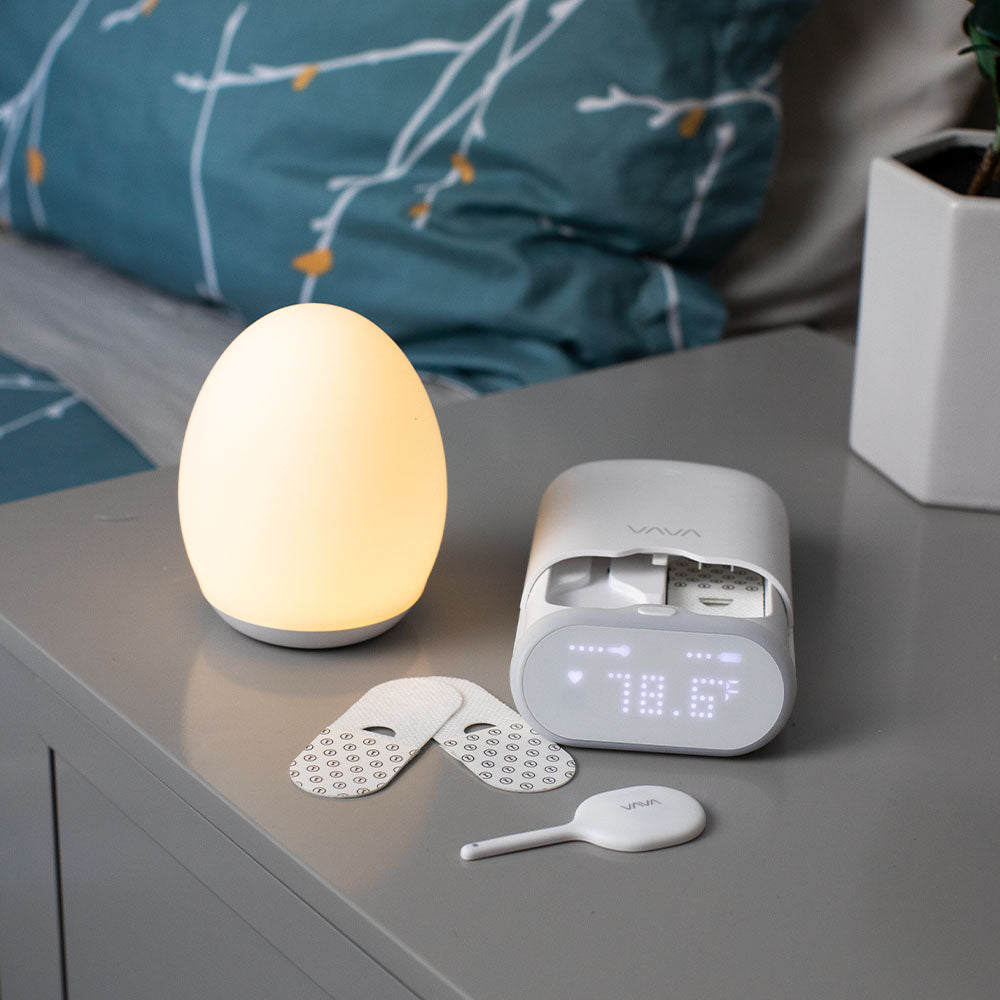
The VAVA Smart Baby Thermometer uses a soft underarm patch, real-time readings, sound and LED fever alerts, 24-hour battery life, and Patented Sub1G wireless transmission tech with a stable range up to 15m / 49ft.
Forehead Thermometers
Forehead thermometers are fast and easy for babies who are sleeping or fussy.
They work best when the forehead is dry and your baby has not just had a bath, been outside, or worn heavy layers.
Ear Thermometers
Ear thermometers are quick, but they work better after 6 months.
Young babies have small, curved ear canals. That can make probe placement harder, which is why many parents wait until the baby is older before using this method often.
Armpit Thermometers
Armpit thermometers are gentle and easy to tolerate.
They work well when you want a low-stress reading. Place the thermometer directly against skin in the center of the armpit and follow the device instructions until the reading is complete.
What Can Affect a Baby's Temperature Reading?
A baby’s temperature reading can change because of movement, sweat, room temperature, clothing, timing, and device placement.
Before you rely on a number, look at the whole situation. Was your baby crying hard? Did they just take a warm bath? Was the room cold? Small details can change the reading, especially with forehead and skin-based methods.
- Crying or Movement: Hard crying can warm the skin, and movement can make placement less steady.
- Sweat or Moisture: A damp forehead can affect infrared readings.
- Bath Time or Outdoor Air: Warm baths, cold air, direct sun, and fans can change skin temperature.
- Heavy Clothing: Too many layers can trap heat around the body.
- Device Differences: Two thermometers may show slightly different readings, even when both work properly.
- Wrong Placement: Ear angle, armpit contact, and forehead distance can all affect the result.

How Do You Take a Baby's Rectal Temperature Safely?
Take a baby’s rectal temperature with a flexible-tip digital thermometer, gentle positioning, lubricant, and slow movement.
This method needs care, but the steps are simple when you go slowly.
Safe Steps
- Prepare the Thermometer: Use a digital flexible-tip thermometer and keep it only for rectal use.
- Add Lubricant: Put a small amount of petroleum jelly on the tip.
- Position Your Baby: Lay your baby on their back during a diaper change or face-down across your lap.
- Insert Gently: Insert only the tip as directed by the thermometer instructions. Stop if you feel resistance.
- Wait for Completion: Hold the thermometer steady until it finishes reading.
- Clean It Well: Wash with soap and warm water, then wipe with rubbing alcohol if the device instructions allow it.
Mistakes to Avoid
- Do Not Force the Tip: Stop right away if there is resistance.
- Avoid Glass Thermometers: Digital thermometers are the safer home choice.
- Do Not Skip Cleaning: Store rectal thermometers separately.
- Avoid Switching Uses: A thermometer used rectally should not be used orally.
How Do You Use a Wearable Baby Thermometer?
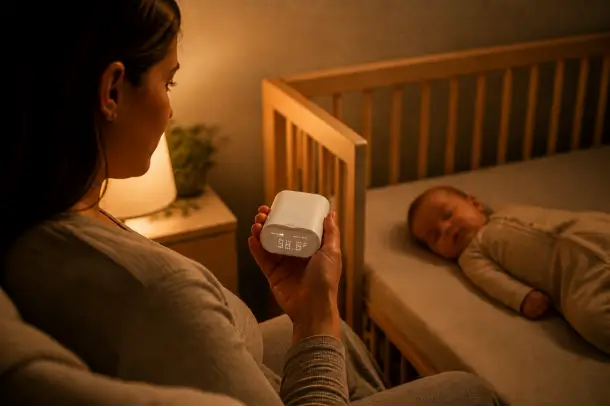
Use a wearable baby thermometer by placing the patch under your baby’s arm before sleep and keeping the parent unit within range.
This method is designed for the moment parents often find hardest: overnight fever monitoring. You want to know how your baby is doing, but you do not want to wake them every few hours for manual checks.
Why It Helps at Night
A wearable thermometer tracks temperature while your baby sleeps.
That means you can follow changes during naps or overnight rest without turning on lights, moving your baby, or doing repeated checks by hand. If your baby’s temperature rises to the alert point, the parent unit lets you know.
How VAVA Fits This Use Case
VAVA uses an underarm patch that sends readings to a parent unit.
The design is useful for parents who want simple room-to-room monitoring. The Sub1G wireless transmission supports a stable connection up to 15m / 49ft, which works for many bedrooms, hallways, and nearby rooms.
The patch also supports 24 hours of continuous use and charges in about 1.5 hours. That gives parents enough battery life for overnight monitoring and daytime naps when a baby is sick.
Best Placement Tips
- Place the Patch Under the Arm: The sensor should sit close to the skin.
- Use Normal Sleepwear: A fitted onesie can help hold the patch in place.
- Check Before Bedtime: A quick placement check helps the reading stay steady.
- Keep the Parent Unit Nearby: Stay within the listed connection range for stable monitoring.

How Do You Take a Baby's Forehead Temperature Correctly?
Take a baby’s forehead temperature on clean, dry skin and follow the distance or swipe instructions for your device.
Forehead thermometers are popular because they are fast and gentle. They are especially helpful when your baby is sleeping, but the skin and room conditions need to be right.
Before You Measure
- Dry the Forehead: Sweat or moisture can affect the reading.
- Wait After a Bath: Give your baby time to settle after warm water.
- Avoid Cold-Air Readings: Let your baby rest indoors before measuring after outdoor time.
- Clean the Lens: A dirty sensor can affect infrared readings.
- Use the Correct Distance: Non-contact models need the distance listed in the manual.
During the Reading
For a temporal artery thermometer, slide it across the forehead as directed. For a non-contact infrared thermometer, hold it steady at the listed distance. Try not to take the reading while your baby is moving or crying hard.
How Do You Take a Baby's Ear Temperature Correctly?
Take a baby’s ear temperature by positioning the probe gently and aiming it toward the eardrum.
Ear thermometers can be quick, but placement matters more than many parents expect. They are usually better for babies over 6 months because older babies have larger ear canals.
Proper Ear Positioning
- For Babies: Gently pull the outer ear straight back to help open the canal.
- For Older Children: Pull the ear up and back.
- Aim Carefully: Point the probe toward the opposite eye rather than straight into the ear.
- Keep It Gentle: Insert the probe snugly, but never push hard.
What Can Affect Ear Readings?
Earwax, a poor probe angle, or a very small ear canal can affect the number. Try again if the reading seems far from how your baby looks or feels. You can also use another method that fits your baby’s age and situation.
How Do You Take a Baby's Armpit Temperature Correctly?
Take a baby’s armpit temperature by placing the thermometer directly against skin in the center of the underarm area.
Armpit readings are simple, gentle, and easy for many babies to tolerate. This method works best when your baby is calm and the thermometer stays in the correct position until the reading finishes.
Correct Placement
- Use Bare Skin: Do not measure over clothing.
- Center the Tip: Place the thermometer tip in the middle of the armpit.
- Hold the Arm Close: Gently keep your baby’s arm against the body.
- Follow the Device Instructions: Wait until your thermometer signals that the reading is complete.
Helpful Tips
Keep your baby calm before measuring. A cuddle, feeding break, or dim room can help. During one illness, use the same device and method as much as possible so the readings are easier to follow.
How Should Parents Track Temperature Readings?
Parents should record the time, temperature, method, and symptoms when a baby is sick.
A simple log can help you remember what happened overnight. It also helps when you call your pediatrician because you can explain the pattern clearly.
What to Write Down
A useful log can include:
- Time: Write down when you checked.
- Temperature: Record the number exactly as shown.
- Method: Note rectal, forehead, ear, armpit, or wearable.
- Symptoms: Add feeding, sleep, wet diapers, rash, cough, or unusual behavior.
- Care Given: Note medicine only if your pediatrician has advised it.
Example Log
|
Time |
Method |
Reading |
Notes |
|
8:30 PM |
Forehead |
100.2°F |
Fussy, feeding less |
|
2:00 AM |
Wearable |
Alert noted |
Sleeping, parent unit alerted |
|
7:00 AM |
Armpit |
99.4°F |
More alert, wet diaper |
Why Automatic Logs May Become More Common
Automatic temperature logging is a natural future trend for baby care devices.
Parents already have enough to manage during a fever night. A thermometer that can record readings over time may reduce manual note-taking and make temperature patterns easier to review. For now, a short written note in your phone works well and takes only a few seconds.
When Should Parents Call a Doctor About Temperature?
Parents should call a doctor when a baby is very young, symptoms look serious, or something about the baby’s behavior feels wrong.
A thermometer gives useful temperature information, but your baby’s full condition matters too. Feeding, breathing, hydration, alertness, and parent instinct all count.
When you feel concerned, contact your pediatrician. They can guide the next step based on your baby’s age, symptoms, and health history.
Conclusion
Taking your baby’s temperature accurately comes down to method, technique, and context.
Here are the main takeaways:
- Rectal, forehead, ear, armpit, and wearable thermometers each fit different moments.
- For sleeping babies, forehead and wearable thermometers are often the least disruptive.
- A wearable thermometer helps parents monitor temperature changes during naps and overnight sleep.
- Good technique matters, including dry skin, correct placement, and using the same method during one illness.
- Call your pediatrician when your baby is very young, symptoms look serious, or your instinct tells you something is wrong.
If you want an easier way to monitor your baby’s temperature during sleep, VAVA offers a wearable underarm option made for real home routines.
FAQ
Q: Can I take my baby's temperature while they are sleeping?
A: Yes. A sleeping baby is often calmer, which can help with forehead or wearable readings. With the VAVA wearable thermometer, the underarm patch can keep monitoring while your baby sleeps. Regular thermometers usually require a parent to enter the room, position the device, and take a manual reading, which may wake the baby.
Q: How often should I check my baby's temperature during a fever?
A: Many parents using regular thermometers end up checking every few hours during a fever, especially when they are worried overnight. A wearable thermometer can monitor continuously during sleep and alert parents when the temperature reaches the alert point. Follow your pediatrician’s advice if your baby is very young or symptoms are concerning.
Q: Is a wearable baby thermometer useful for overnight fever monitoring?
A: Yes. A wearable baby thermometer is useful when you want to follow temperature changes without repeated manual checks. VAVA uses an underarm patch, a parent unit, sound and LED fever alerts, and 24-hour battery life for long monitoring periods.
Q: What temperature does VAVA alert at?
A: VAVA alerts when the temperature rises above 38°C / 100°F. The parent unit uses sound and red LED light alerts, which helps parents notice the change at night.
Q: What should I write in a baby temperature log?
A: Write the time, temperature, method, and symptoms. For wearable monitoring, you can also note when an alert happened and how your baby looked at that time. This makes it easier to explain the situation when you speak with your pediatrician.
Q: When should I call a doctor about my baby's fever?
A: Call your pediatrician right away for a baby under 3 months with a temperature of 100.4°F / 38.0°C or higher. Also call if your baby has trouble breathing, poor feeding, unusual sleepiness, dehydration signs, or behavior that worries you.

Share: