


For adults, the most common home thermometers are digital contact thermometers, oral thermometers, forehead thermometers, ear thermometers, and newer wearable thermometers. The right choice depends on how you plan to use it: a quick reading when you feel sick, a simple option for shared household use, or a way to keep an eye on current temperature during illness.
This guide compares the main thermometer types for adults, explains where each one fits, and shows when a wearable thermometer may make more sense for home care or a family medical kit.

What Is the Best Thermometer for Adults?
For most adults, the best thermometer depends on how you plan to use it. A digital contact thermometer is common for one-time oral or underarm readings. Forehead and ear thermometers are useful for quick checks. A wearable thermometer can be a better fit when you want to check current temperature more often during illness.
Digital Contact Thermometers
Digital contact thermometers are common for adults because they can be used orally or under the arm. Oral readings are often the preferred home method for adults when you want a simple, familiar reading, while underarm readings can work when oral use is not comfortable or practical.
This type is useful for one-time checks, but it still requires you to place the thermometer correctly and wait for the reading.
Forehead and Ear Thermometers
Forehead and ear thermometers are popular because they are fast. A forehead thermometer can be helpful when you want a quick scan, while an ear thermometer can give a reading in seconds when it is placed correctly.
The trade-off is that technique matters. Forehead readings can be affected by sweat, room temperature, or distance from the skin. Ear readings can change if the probe is not aimed correctly or if earwax blocks the sensor. If you want a deeper comparison, this guide to infrared thermometer vs contact thermometer explains how those two methods differ.
Wearable Thermometers
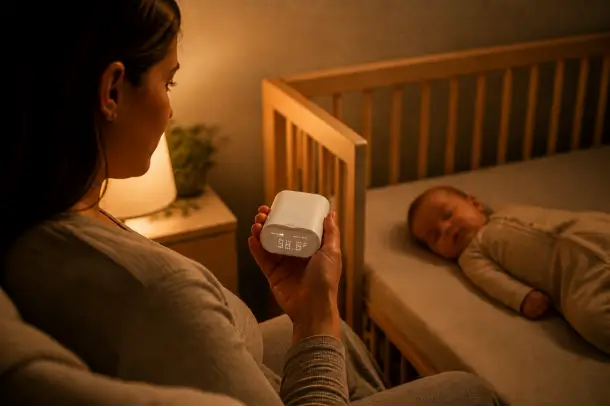
Wearable thermometers are useful when you want to check current temperature without taking a new manual reading each time. Instead of holding a thermometer in the mouth, ear, or across the forehead, the device stays on the body and shows the current reading on a receiver or display.
That can be helpful when an adult with a fever is trying to sleep, an older parent does not want to sit up for another check, or someone recovering from illness needs closer observation through the evening. You can check the current reading without asking them to hold a thermometer under the tongue, reposition an ear probe, or scan the forehead again.
How to Pick an Adult Thermometer for Your Family Medical Kit?
Pick an adult thermometer by looking at how your household will actually use it. For adults, that usually means thinking about accuracy, speed, comfort, and whether you only need a quick reading or easier observation during illness.

A Reading You Can Trust
A family medical kit thermometer should give a clear reading you can use with confidence. Digital contact thermometers are familiar for oral or underarm checks, while forehead and ear thermometers can work well when used exactly as instructed.
For wearable thermometers, the value is consistency. The device stays in place, so you are not changing the measurement method every time you check the current temperature.
A Method That Fits the Person
The right thermometer should fit the person being checked. Some adults can easily use an oral thermometer. Others may be coughing, resting, weak, or unable to hold a thermometer comfortably.
In those moments, a wearable thermometer can make checks easier because the person does not need to keep repositioning, sitting up, or holding a device in place.
Fast Checks When Someone Feels Sick
Speed matters when someone feels chilled, tired, or uncomfortable. Forehead and ear thermometers are popular because they can give quick readings. A wearable thermometer helps in a different way: once it is already in place, you can look at the current reading without starting a new manual check.
Less Repeated Handling During Illness
Repeated checks can become tiring when someone is resting or recovering. You may not want to keep waking them, asking them to open their mouth, or scanning the forehead again and again.
This is where a wearable thermometer fits naturally into a home care setup. It lets caregivers check the current temperature with less repeated handling.
A Way to Watch Current Temperature When One Reading Is Not Enough
Sometimes one reading is all you need. Other times, you may want to keep a closer eye on current temperature through the evening or overnight, especially when someone has a fever or is recovering from illness.
A wearable thermometer is useful for this kind of ongoing home observation because it stays on the body and keeps the current reading easier to check.

Are Wearable Thermometers Useful for Adults?
Yes, wearable thermometers can be useful for adults when you need more than one quick temperature reading. They are not only for babies or children. They can also help older adults and recovering family members when you want an easier way to check current temperature during illness.
They Reduce Repeated Manual Checks
With a handheld thermometer, each new reading takes another action. Someone may need to sit up, open their mouth, lift an arm, or stay still while you scan the forehead or ear.
A wearable thermometer reduces that back-and-forth. Once it is in place, you can check the current temperature from the display or receiver instead of starting the whole process again.
They Can Feel Gentler During Rest
Repeated checks can feel annoying when someone is trying to rest. This is especially true for older adults, people recovering from illness, or anyone who feels weak, chilled, or uncomfortable.
A soft wearable patch can feel easier than repeated contact from a handheld thermometer, especially when you need to check more than once.
They Help Caregivers See Current Temperature More Easily
A wearable thermometer can make home observation easier because the reading stays easier to access. This is helpful when you are caring for someone through the evening, checking on an older parent, or watching a fever while a family member rests.
How VAVA Fits Into Home Temperature Observation?
VAVA Smart Baby Thermometer is a wearable thermometer for home temperature observation, especially when someone needs more than a quick one-time reading. It can fit adult home care, older adult care, and recovery periods when a family member needs closer temperature observation.
Soft Underarm Patch
VAVA uses a soft underarm patch that stays on the body, so the person being checked does not need to hold a thermometer under the tongue or sit still for another forehead or ear reading. That can feel easier during rest, especially when someone feels tired, chilled, or uncomfortable.
Real-Time Readings on the Receiver
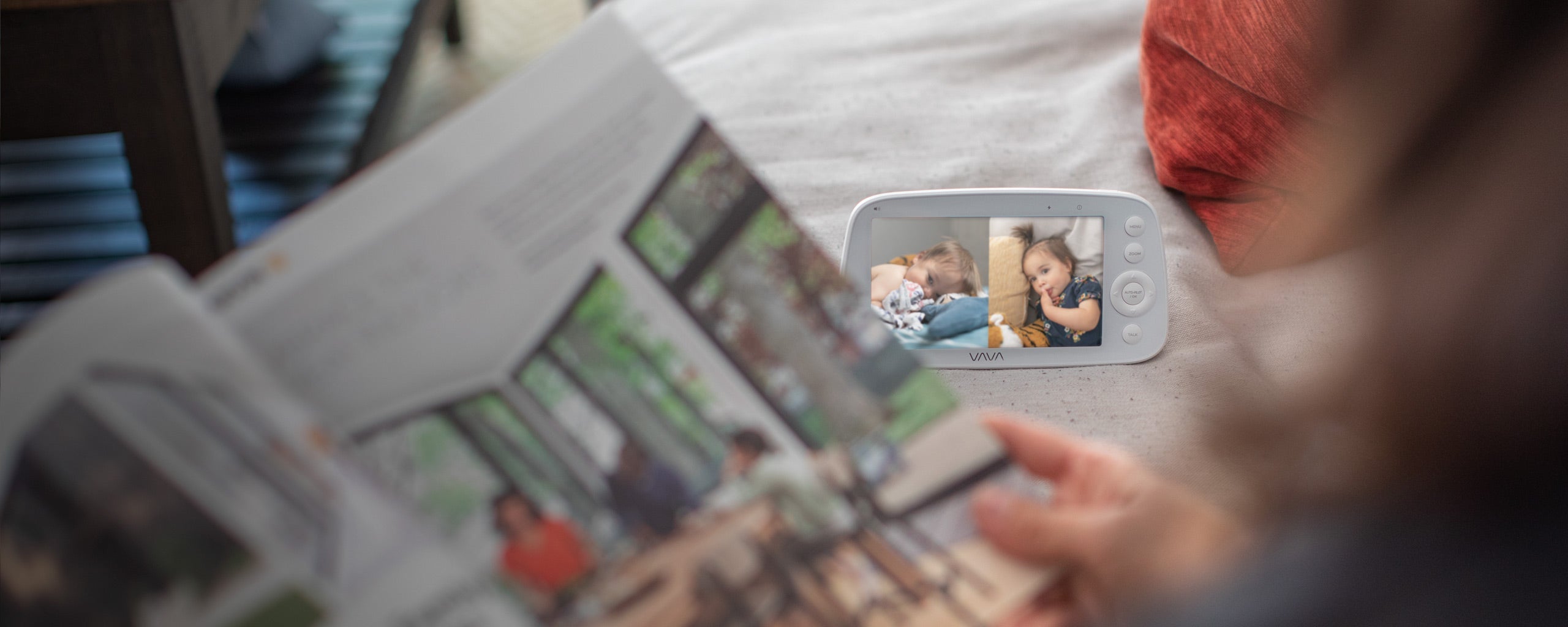
The receiver shows real-time body temperature, which makes the current reading easier to check. Instead of starting a new manual measurement each time, caregivers can look at the receiver when they need to see the current temperature.
24-Hour Real-Time Monitoring
VAVA supports 24-hour real-time monitoring, which can help when a family member needs closer temperature observation through the evening or overnight. This is useful for babies, adults, older adults, and recovering family members who may need more than one quick reading.
Audio and Visual Fever Alerts
VAVA also has audio and visual fever alerts. These alerts can help caregivers notice when the reading crosses the fever threshold, especially when they are checking on someone through the night or while managing other household tasks.

How Do You Get More Consistent Adult Thermometer Readings?
Any adult thermometer works best when you use it the same way each time. Switching between oral, forehead, ear, underarm, and wearable readings can make numbers harder to compare because each method measures temperature from a different site.
Follow the instructions for your device, keep the sensor or contact area clean, and avoid taking a reading right after hot drinks, cold drinks, exercise, or outdoor temperature changes. If a reading seems surprising, check the setup and repeat it with the same method when possible. You can also read a thermometer correctly by paying attention to timing, placement, and the type of thermometer you are using.
For a wearable thermometer, the main thing is placement. Put the patch where the instructions show, then leave it in place while you check the receiver for the current reading. That way, you are not trying to line up a forehead scan, adjust an ear probe, or retake an oral reading every time you want another check.
Conclusion
The best thermometer for adults depends on how you use it at home. Digital contact thermometers, forehead thermometers, and ear thermometers can all work well for quick or occasional checks. But if you want an easier way to check current temperature more than once, a wearable thermometer may fit better into your home care kit.
VAVA Smart Baby Thermometer gives you a soft underarm patch, real-time readings on the receiver, 24-hour real-time monitoring, and audio and visual fever alerts. That makes it a practical option for adults, older adults, recovering family members, and children who need closer temperature observation at home.
FAQs
1. What type of thermometer is best for adults?
The best thermometer for adults depends on how you prefer to check temperature at home. Digital contact thermometers are familiar for oral or underarm readings. Forehead and ear thermometers are quick. Wearable thermometers are also a practical choice because they let you check current temperature from a receiver once the patch is in place.
2. Are wearable thermometers useful for adults?
Yes. Wearable thermometers can be useful for adults because they make temperature checks easier to repeat and easier to read. You do not have to hold a thermometer under the tongue, aim at the forehead, or reposition an ear probe each time you want another current reading.
3. Can a wearable thermometer be used as a regular home thermometer?
Yes. A wearable thermometer can be part of a regular home medical kit. It can help with everyday temperature checks and becomes even more useful when you want to check temperature again without setting up a new manual reading.
4. Who can use a wearable thermometer at home?
A wearable thermometer can be used by adults and other family members who need a comfortable way to check current temperature. It can fit normal household use as well as times when someone wants closer temperature observation.
5. What should you do if a thermometer reading seems unusual?
Check the device placement and repeat the reading with the same method when possible. If the reading still seems unusual or the person feels very unwell, contact a healthcare provider for guidance.

Share: