


September is in full swing, which means it's National Baby Safety Month 2022! While many around the country are busting out their pumpkin spice lattes and preparing for Sunday football parties, parents are tuning into the latest news on all things baby safety-related.
If you're a parent, the health and safety of your child is non-negotiable. However, it can be challenging to babyproof absolutely everything your child will encounter from day to day. That’s why we celebrate Baby Safety Month. It’s a month-long campaign geared towards educating new and veteran parents alike on current, up-to-date information regarding car seats, safe sleeping, and other safety concerns that might pop up during those first precious years of a child’s life.
The best parents can do is be diligent about brushing up on the latest baby safety guidance. In this piece, we’ll take a look at some of the most common safety tips regarding:
- Safe Sleep
- Cords and Electrical Outlets
- Car seats
- Babyproofing Furniture
- Stairs
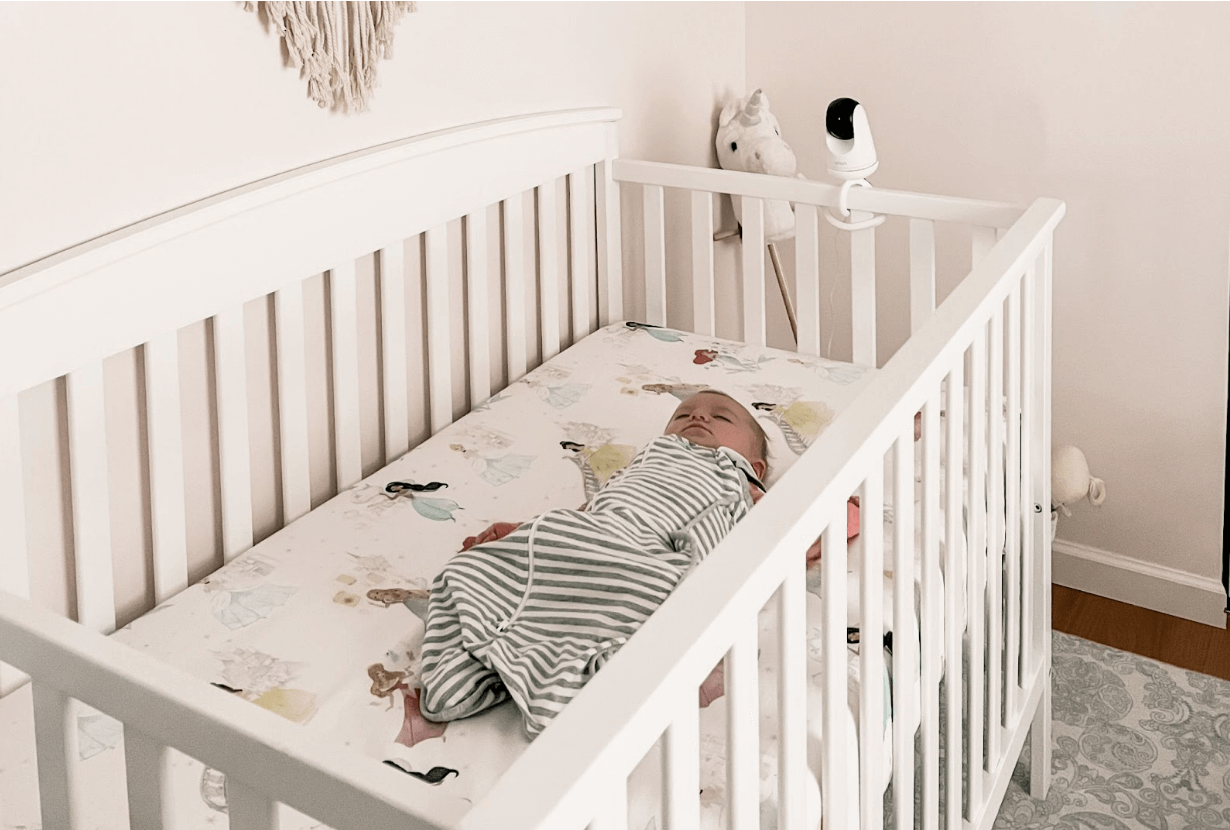
Peace of Mind While Baby Sleeps
I remember when my first child was a newborn. I would stay awake just watching her sleep because I was so worried something would happen to her. This is a common fear among parents, but to help alleviate those concerns, there are a few things you can do to help keep your child safe during the night.
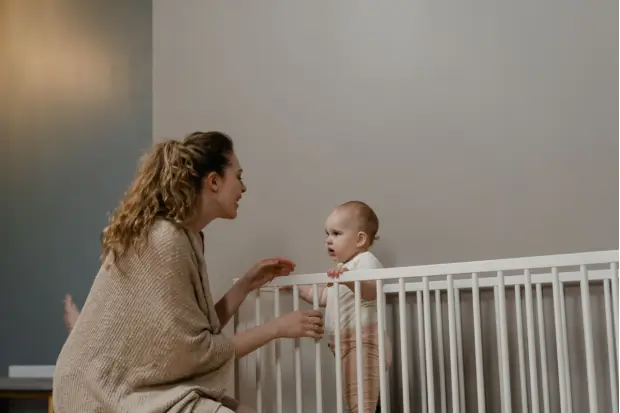
For starters, always make sure the crib mattress is firm and that there are no gaps between the mattress and the sides of the crib. Keep small objects, stuffed animals, and blankets out of the crib until they are older to help eliminate choking and suffocation hazards.
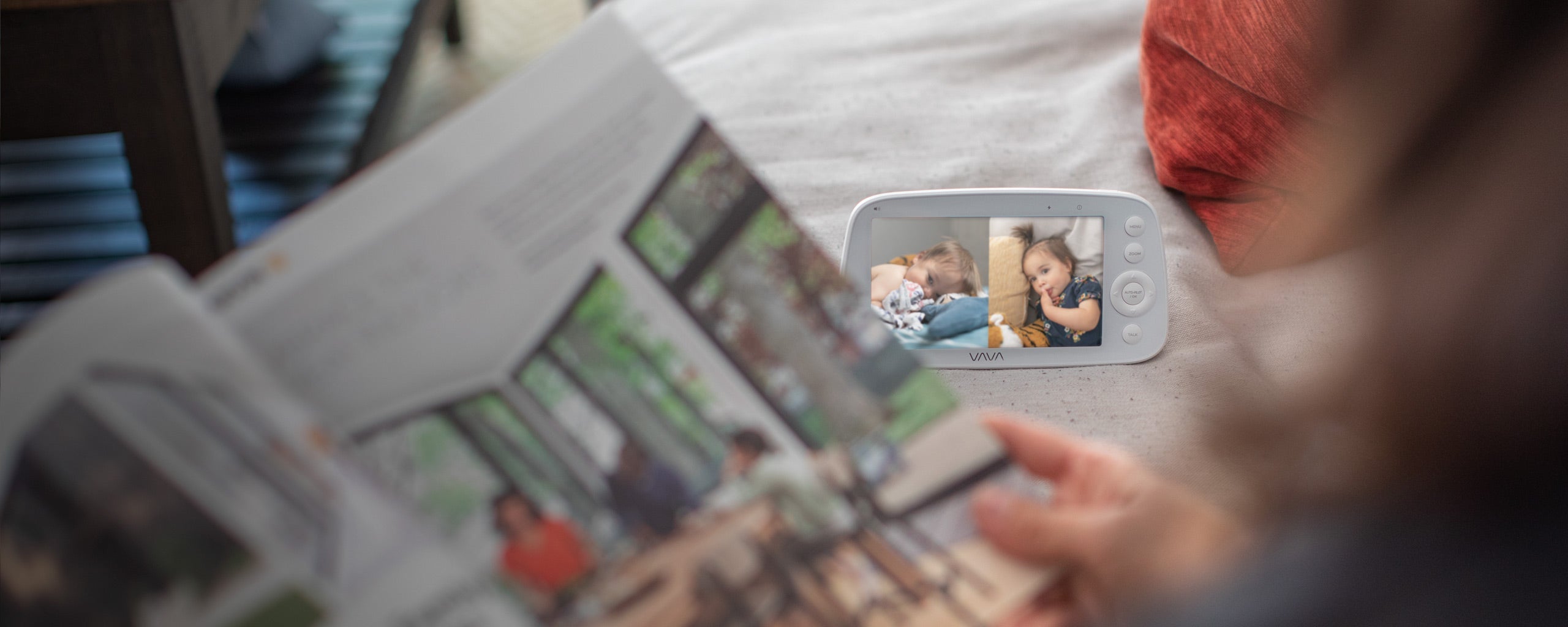
For added peace of mind, purchase a reliable video baby monitor, like the VAVA 720P 5" HD Video Baby Monitor. A baby monitor allows parents to keep an eye on their baby from anywhere in the home – morning, noon, and night.
Baby Proof Your Cords and Electrical Outlets
Small children are curious creatures. Long cords hanging down from window coverings and appliances like cell phone chargers and lamps can pose a strangulation hazard. To protect your baby, tie up curtain blind and drapery cords and move or tuck away charging cords, lamp cords, and others so they’re out of your child’s reach.
In addition to cords, don’t forget to babyproof electrical outlets, especially ones located near the floors. As stated, small children are curious by nature. As soon as they discover electrical outlets, they won’t hesitate to try shoving small items inside the sockets. Outlet covers are affordable and available at major retailers in the baby care aisle.
Being mindful of cords and outlets and diligent about babyproofing your home will help prevent injuries from strangulation and electrocution.
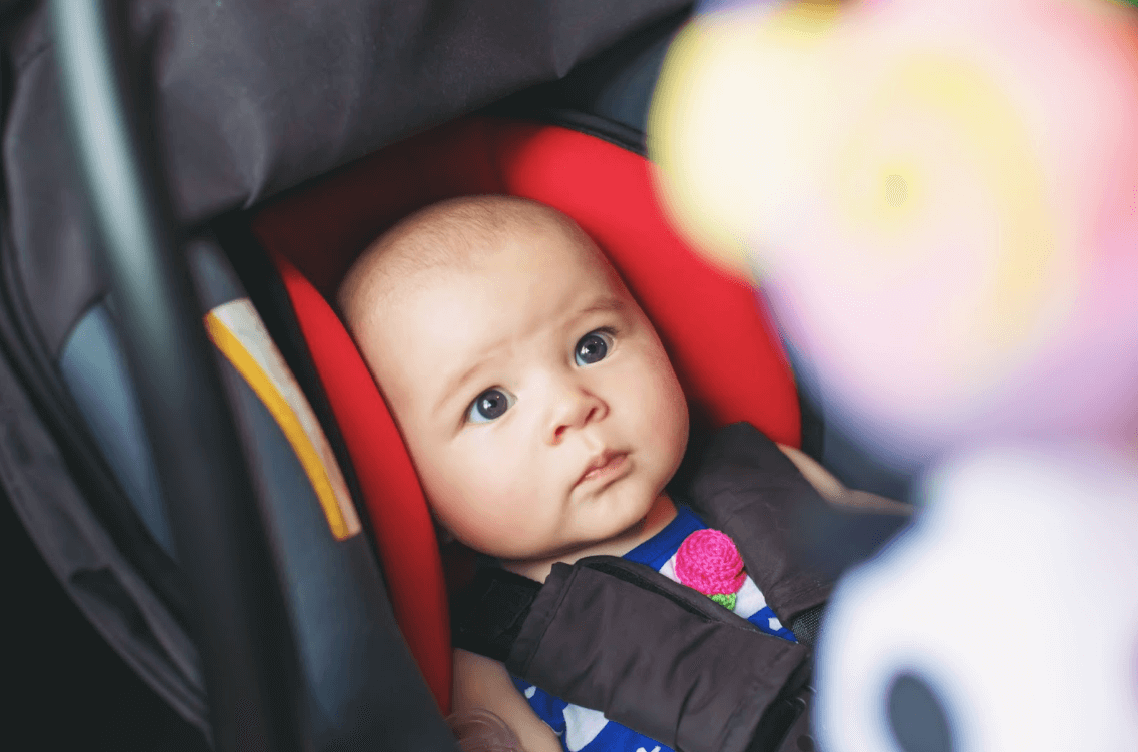
Is Your Child Using the Right Car Seat?
Did you know there are many types of car seats, and that each one is catered to a different period of baby and toddler development? From rear-facing and five-point harness seats to big kid booster seats, it’s important to make sure your child is always in the right type of car seat. Once you figure out what type of car seat you should be using, it’s equally important to know how to install it properly.
Fortunately, the National Highway Traffic Safety Administrations (NHTSA) has resources available to help you find your nearest safety seat inspection location. That way you can have a second set of eyes make sure the seat is properly installed.
Secure Large Furniture to Walls
Did I mention small children are curious about absolutely everything? Because they are, and sometimes that curiosity can get the better of them and cause injury. If you have large furniture like heavy bookshelves and cabinets, consider mounting them to the wall.
No matter what you’re displaying – shiny keepsakes from your honeymoon, cherished books and other odds and ends, your child will likely be tempted to check them out. To prevent a bookcase or other piece of furniture from falling on your child when they get old enough to explore their surroundings a bit more, install child safety brackets to keep your furniture secure.
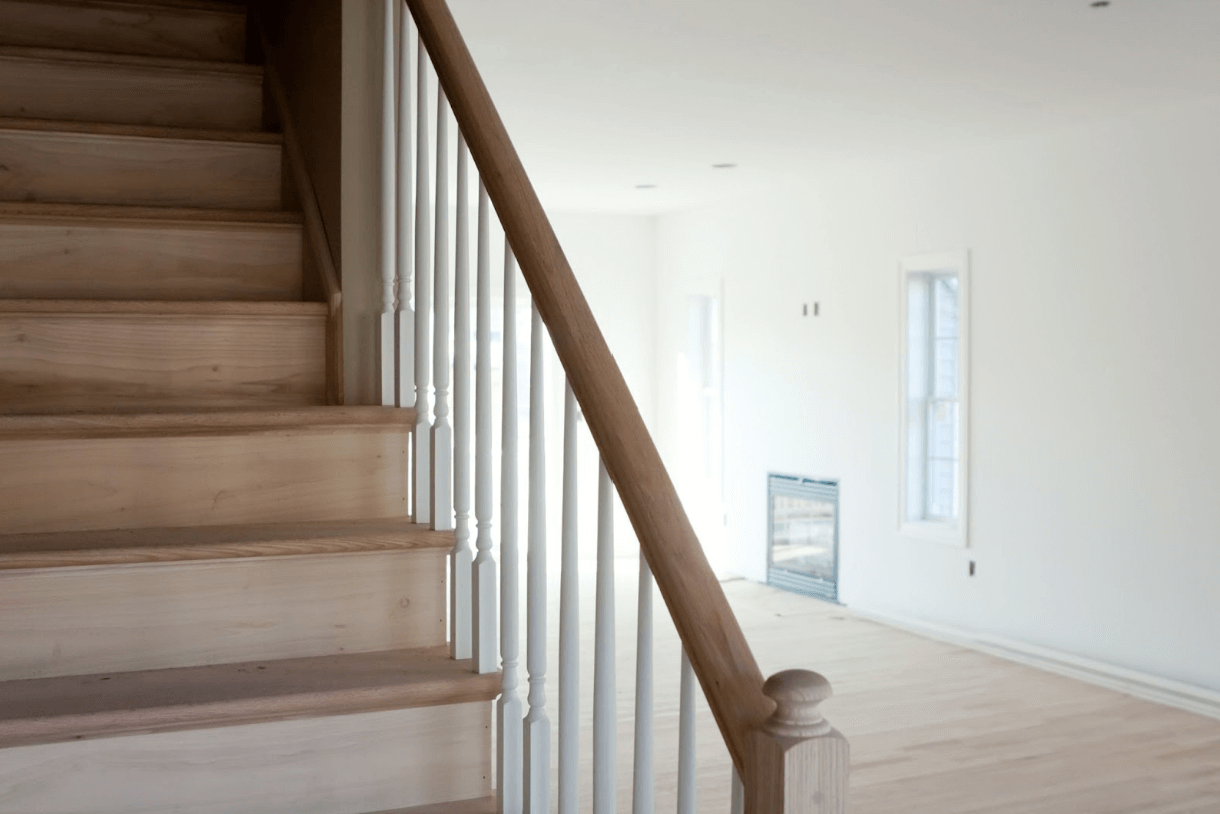
Block Stairs with Baby Gates
Stairs might not be a big deal right when you bring your baby home, but as soon as they start to crawl, you’ll want to purchase and install durable baby gates at the top and bottom of your stairs. Kids are fast. One minute they’re playing with toys and the next they’re halfway up the stairs. Until your child is old enough to start practicing going up and down the stairs, keep baby gates on hand to prevent falls and injuries.
During National Baby Safety Month, take some time to brush up on your baby safety knowledge. After all, the safety of your child is your top priority. By following tips like the ones above, you can help ensure your child grows up in a safe and healthy environment.
Share: