
Definition of Throw Distance

Throw distance is the distance required between the projector lens and the screen to display a specific size image. There are three throw distance categories for video projectors, including:

  • Standard Throw (or Long Throw)
  • Usually requires 6 or more feet to project an 80-inch image
  • Short Throw
  • Usually needs about 4-5 feet to project a 100-inch image
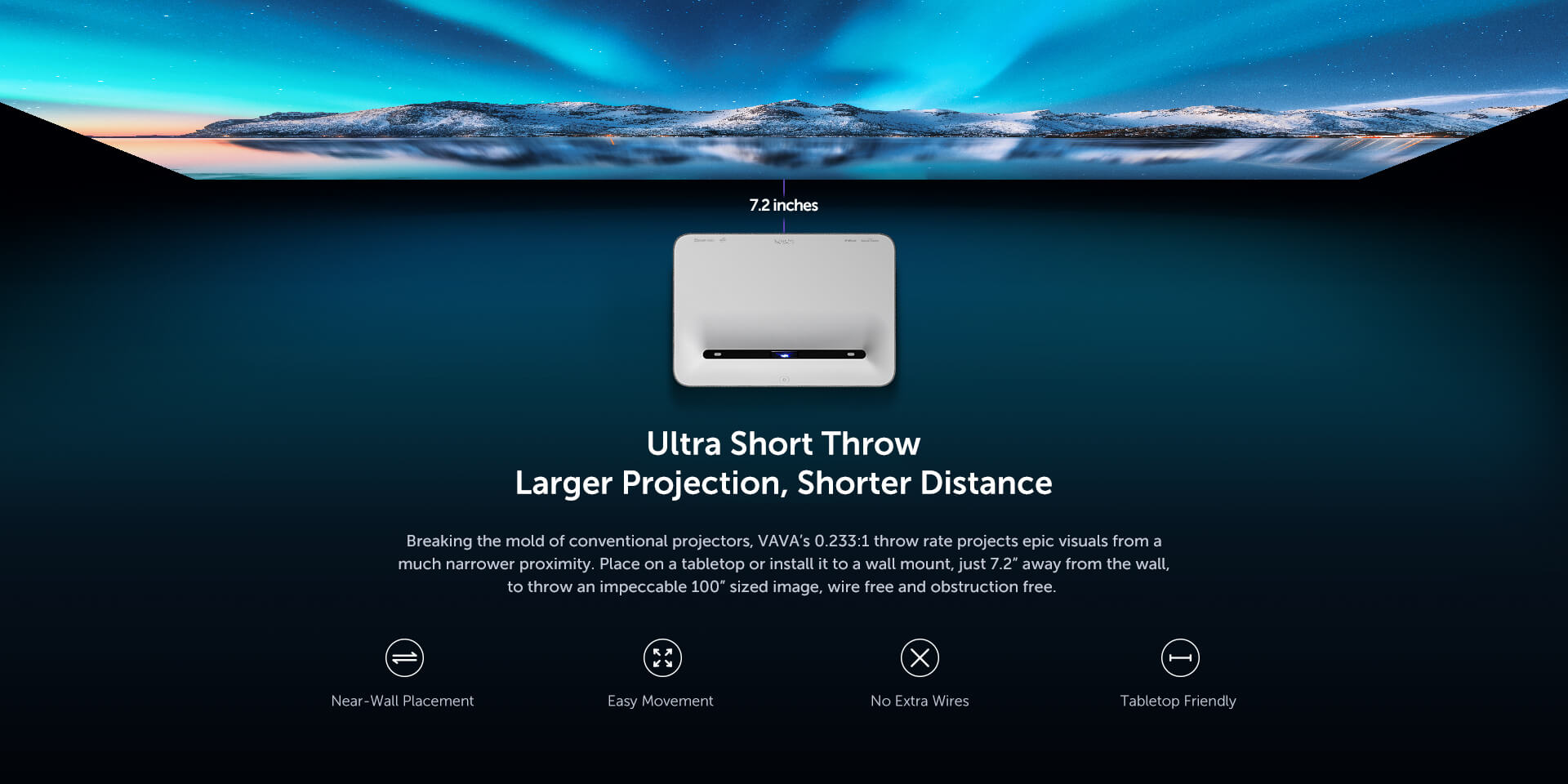
  • Ultra Short Throw
  • Can display a 100-inch image at a distance of about 2 feet or less

Calculate Your Throw Distance

Use the equation below to calculate how close you can place your projector:

Distance = throw ratio * image width
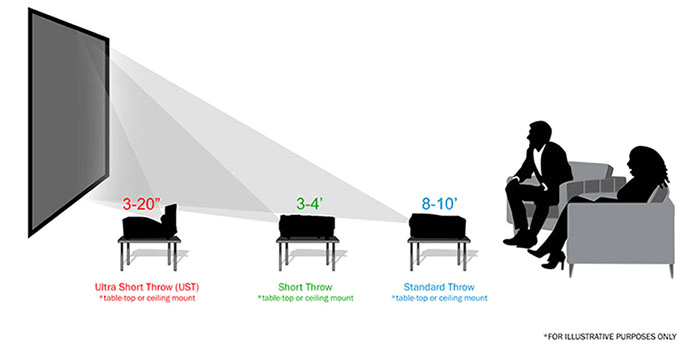
Chart showing how to calculate projector throw distance

Leave a comment

Please note, comments need to be approved before they are published.

This site is protected by hCaptcha and the hCaptcha Privacy Policy and Terms of Service apply.

Latest Stories

View all

Types of Body Thermometers: How to Choose the Right One for Your Family

Types of Body Thermometers: How to Choose the Right One for Your Family

There is no single body thermometer that works best for every person, every age, and every situation. The right choice depends on who you are measuring, where the temperature is taken, and whether you need a quick check or ongoing...

Read more

How to Take a Baby's Temperature Accurately

How to Take a Baby's Temperature Accurately

Taking a baby's temperature accurately starts with choosing the right method. Rectal temperature is usually the most reliable way to confirm a fever in infants, while forehead, ear, armpit, and wearable thermometers each work better in different situations. In this...

Read more

What Is a Wearable Thermometer? Uses for Babies, Older Adults, and Caregivers

What Is a Wearable Thermometer? Uses for Babies, Older Adults, and Caregivers

A wearable thermometer is a body-worn device that tracks temperature over time instead of giving only one quick reading. It can help parents, family caregivers, and care teams monitor babies, older adults, or patients who need closer temperature observation.  In...

Read more