


When choosing a baby thermometer, there are several key features to consider. While accuracy should always be your top priority, other factors such as speed, continuous temperature monitoring, memory, silent mode, backlight, and waterproofing can make a big difference in how well the thermometer fits into your daily routine. In this guide, we’ll break down the features that matter most and help you decide what’s worth prioritizing for your little one.
If you want a broader buying overview before comparing features, you can also read how to choose the best baby thermometer.

What Features Matter Most in a Baby Thermometer?
When it comes to baby thermometers, not all features are equally important. The most crucial factors are accuracy, ease of use, Continuous monitoring, reading speed, and cleanability. After that, additional features like memory, silent mode, backlight, and continuous temperature monitoring come into play depending on your baby’s age, how often you need to check their temperature, and your specific needs as a parent.
Here’s a quick look at the hierarchy of importance:
- Accuracy – Always the first thing to check.
- Speed – Quick readings matter, especially for fussy babies.
- Memory & Tracking – Helpful for parents who need to monitor fever trends.
- Cleanability – A thermometer should be easy to clean, especially for hygienic purposes.
- Easy-to-read display – Clear visibility for both day and night checks.
- Additional features – Silent mode, backlight, waterproofing, and continuous monitoring are helpful but not essential for everyone.

Why Is Accuracy Still the First Thing to Check?
Accuracy is critical when it comes to monitoring your baby’s health. A dependable thermometer allows you to make the right decision when you notice signs of fever. A thermometer that gives inaccurate readings can lead to confusion and unnecessary worry, especially if you’re unsure whether your baby’s temperature is dangerously high.
Accuracy Depends on Thermometer Type and Baby Age
For infants, rectal thermometers are often considered the most accurate. They provide the clearest reading for babies under 3 months. For older infants and toddlers, forehead thermometers or ear thermometers are commonly used, although they tend to be slightly less accurate. Armpit thermometers are more convenient but are generally the least accurate, so they may not be ideal for tracking serious fevers.
If you are comparing options for the earliest stage, this guide on which thermometer type is best for newborns is a helpful next read.
How Fast Should a Baby Thermometer Be?
When dealing with babies, time is often of the essence, so you want a thermometer that provides results quickly, especially when you’re trying to check a fussy or sleeping baby.
Fast Readings Help Most With Fussy Babies
Babies and toddlers do not always stay still during temperature checks. A thermometer with a fast reading (around 5-10 seconds or less) helps prevent a struggle when trying to get an accurate reading. This feature is especially helpful when you’re in a rush, such as in the morning before daycare or after administering medication.
Faster Is Helpful, but Consistency Still Comes First
Although speed is important, it’s essential that a fast thermometer also delivers consistent readings. Thermometers that deliver quick, but inconsistent, results will only frustrate you further, especially if you need to check your baby's temperature multiple times in a row. Always opt for a thermometer that offers both speed and reliability.
When Is Continuous Temperature Monitoring Worth It?
Continuous temperature monitoring is most useful when you need to watch fever trends over several hours, especially during naps or overnight. It is less important for occasional checks, but it can help if your baby is sick, sleeping, or needs repeat temperature checks after medication.

It Helps Most in Specific Situations
If your baby has a persistent fever or needs frequent temperature checks (such as after taking fever-reducing medication), continuous monitoring is a game-changer. With wearable baby thermometers, for instance, you can monitor temperature throughout the night without disturbing your baby’s sleep. It’s also beneficial for parents who want to keep an eye on the fever's progression over time, particularly in cases of illness that require tracking.
Check Compliance and Device Status Before You Buy
If you're considering a wearable thermometer with continuous monitoring, make sure it is FDA-cleared or has received the appropriate regulatory approval. Unapproved devices may not be accurate or reliable enough to rely on for medical purposes.

Why Do Memory and Trend Tracking Help More Than You’d Think?
Many baby thermometers come with a memory function, which stores your baby's temperature readings for later review. This feature is surprisingly useful for tracking fever patterns and monitoring temperature after administering medicine.
Memory Helps You See Patterns
Instead of writing down every reading on paper, a thermometer with memory allows you to easily track temperature over several hours or days. This is helpful when monitoring temperature trends after giving medication or when your baby’s fever fluctuates.
What to Look For
When choosing a thermometer with memory, check how many readings it can store, whether the readings come with time stamps, and whether it syncs with an app or manual log. These features help you keep a detailed and organized record of your baby’s temperature, which can be useful for doctor visits or when seeking medical advice.
Do Silent Mode and Backlight Actually Help at Night?
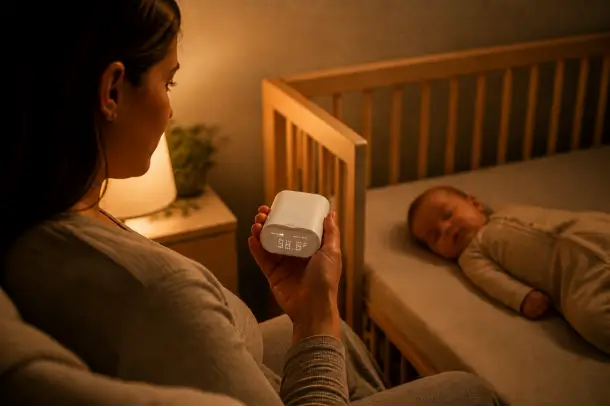
Nighttime temperature checks often require a thermometer that’s easy to use without waking your baby. This is where features like silent mode and backlight become incredibly useful.
Silent Mode Helps During Sleep Checks
Many thermometers make a loud beep once they’ve taken a reading, but this can wake your baby or disrupt their sleep. A thermometer with silent mode ensures that you can take the reading without causing any disturbance.
Backlight Helps You Read the Result Fast
For those late-night checks, backlight helps you see the result clearly in a dimly lit room. Without a backlit display, you might need to turn on the light, which could wake up your baby. A backlight eliminates this issue and makes it easier to get a reading without interruption.
Why Does Waterproofing Matter More Than Most Parents Expect?
A thermometer that is easy to clean is essential, especially when you’re using it on a sick baby who may be more vulnerable to germs. Waterproofing is a feature that ensures the thermometer can be easily sanitized without damaging the device.
Easy Cleaning Is Part of Daily Use
Waterproof thermometers are easier to clean and sanitize, which is crucial for hygiene. After each use, you’ll want to wipe down the thermometer, and waterproof models allow for quick rinsing without worry. This is particularly important when you’re using the thermometer multiple times a day.
Waterproof Does Not Always Mean Fully Submersible
While waterproofing makes cleaning easier, not all waterproof models are designed for full submersion. Check the manufacturer’s guidelines to determine if it’s safe to rinse or submerge the thermometer in water.
Which Features Should You Prioritize for Your Situation?
The features that matter most depend on your baby’s age, your household’s needs, and how often you need to check your baby’s temperature.
For Newborn Families
- Accuracy is a must.
- Easy cleaning is crucial.
- Clear display and simple controls are essential for stress-free checks.
For Nighttime or Frequent Fever Checks
-
Silent mode and backlight help make checks easier.
-
Continuous monitoring can be beneficial for tracking fever without disturbing your baby.
For Toddlers and Busy Households
-
Speed and forehead convenience become more important.
-
Memory recall helps track trends.
-
Durability matters as babies get more active.
Conclusion
When choosing the best thermometer for your baby, accuracy should always come first, followed by speed and ease of use. Features like memory, silent mode, backlight, and waterproofing are all helpful but depend on your individual needs. Prioritize what fits your situation, whether that’s a quick check before bedtime, continuous monitoring throughout the night, or tracking fever patterns. Whatever you choose, make sure the thermometer meets your needs and keeps your baby comfortable.
FAQs
What is the most accurate type of thermometer for a baby?
Rectal thermometers are considered the most accurate for newborns and infants, while forehead thermometers offer good results for toddlers.
Are wearable baby thermometers worth it?
Wearable thermometers are useful for continuous monitoring, especially if you want to track fever trends without waking your baby.

Share: